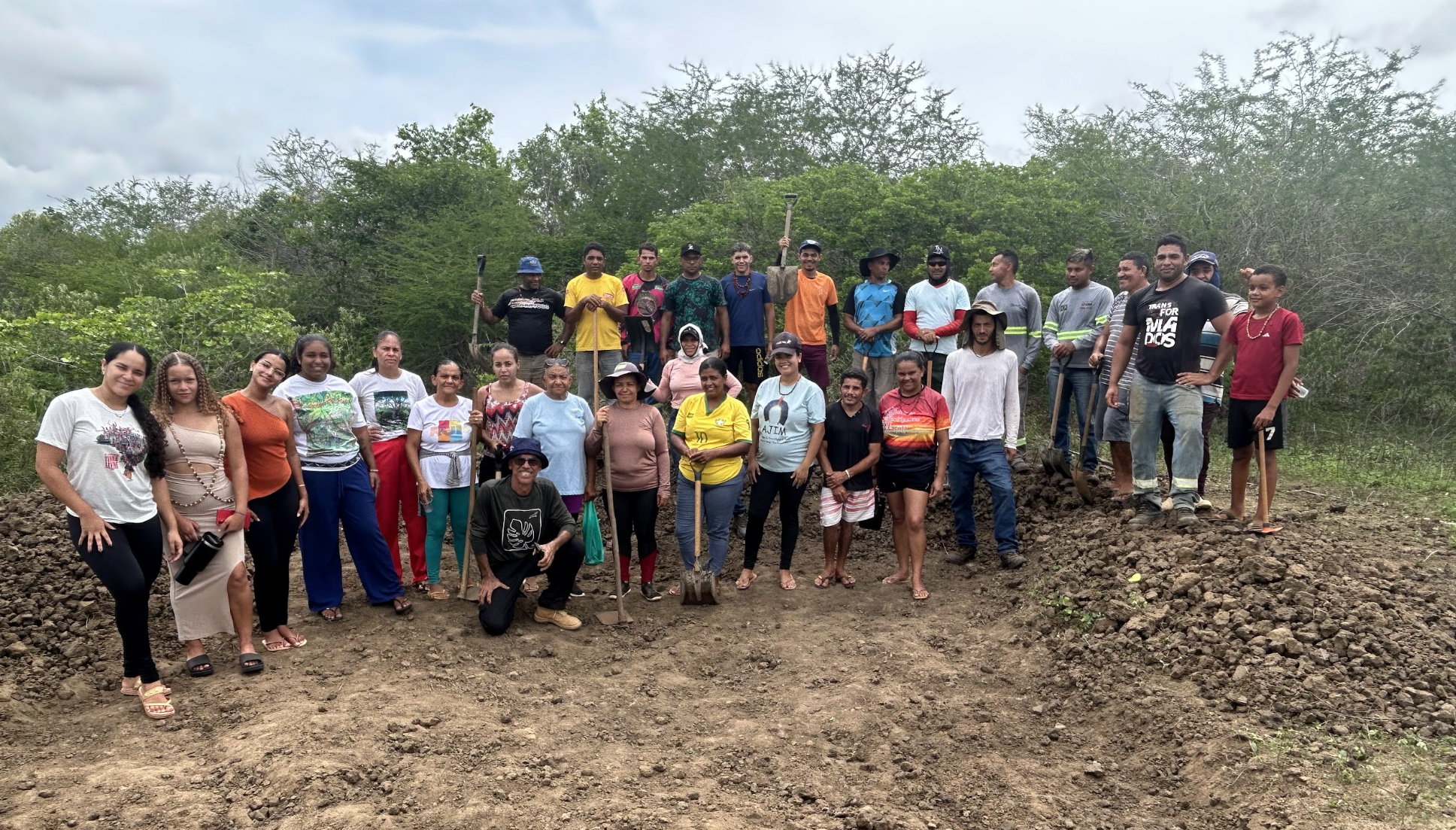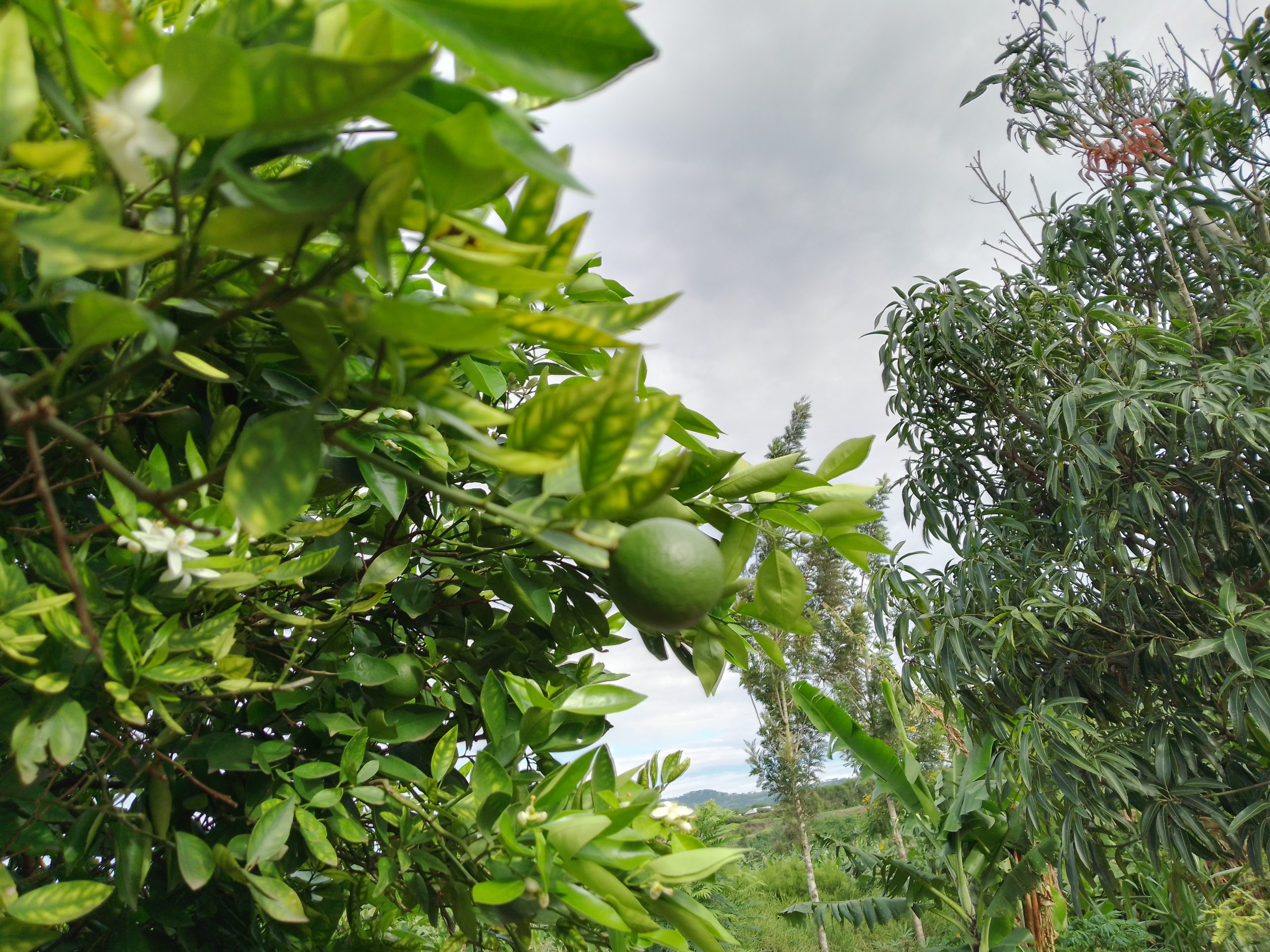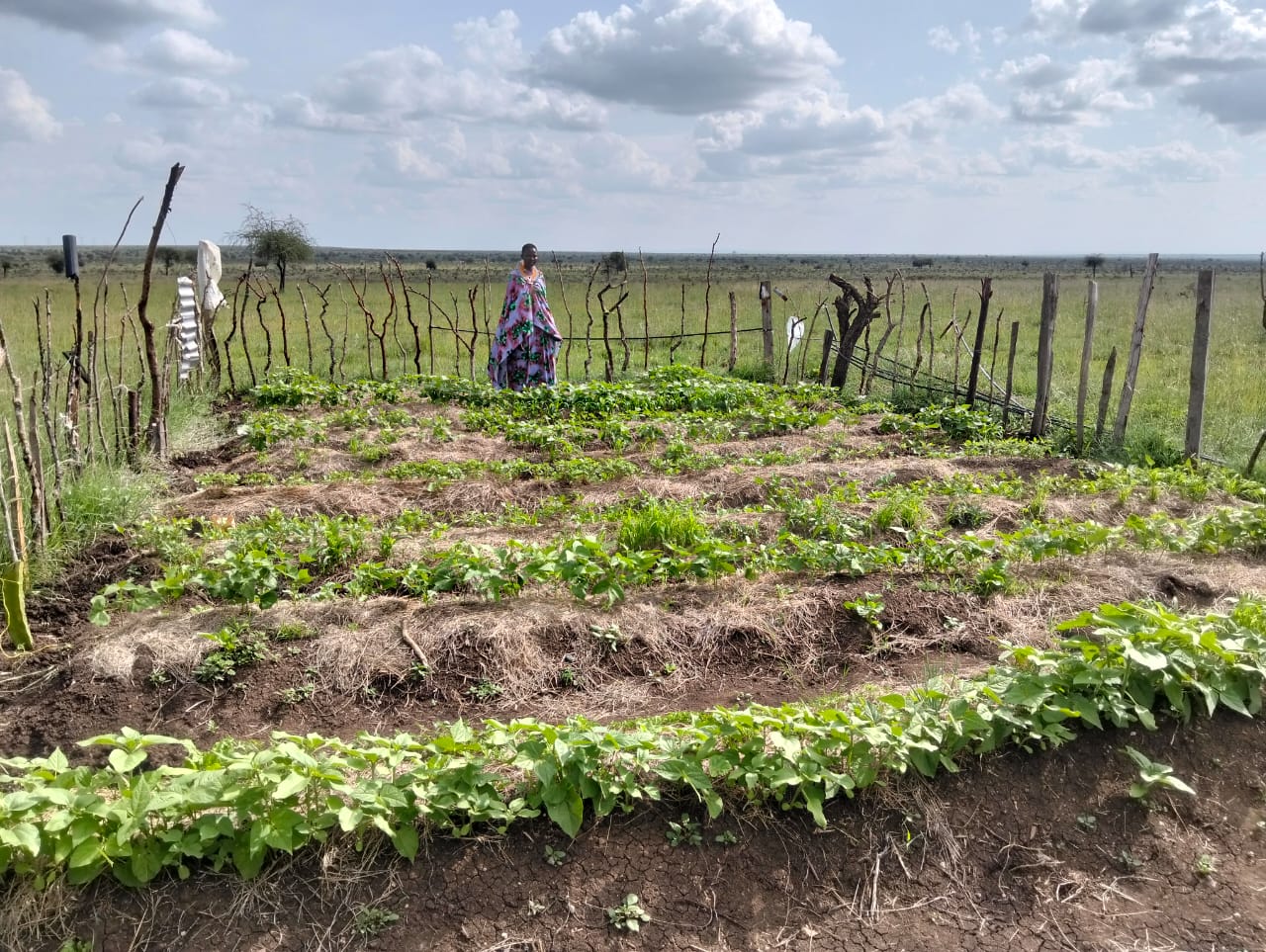
Five community-led organizations have completed the Blossom East Africa co-design phase, which ran from May to June 2026. Over that period, each developed a two-year project plan through peer dialogue, research and collaborative design.
The five partners are Anasi Farmers Association, Batwa Indigenous Development Organization (BIDO), Boma Ikolojia Regeneration Kanyerus, Karambi Group of People with Disabilities and Pastoralists Syntropic Dryland Centre. To learn more about each organization in our recent article, Blossom launches cohort focused on Permaculture Hubs in East Africa.
During the online session, the cohort turned to entrepreneurship and the question of how regenerative work sustains itself. Led by Noah Ssempijja, co-founder of Youth Initiative for Community Empowerment (YICE Uganda), a partner organization from Blossom’s first East Africa cohort and now Blossom advisory partner. YICE works to improve food security and nutrition, regenerate biodiversity, and raise the incomes of smallholder farmers.

Noah drew on YICE’s own history – the first farmers the organization worked alongside are still farming, the first trees it planted are still standing, and YICE now sustains much of its work through relationships and resources generated within the communities it serves.
“In regenerative projects, we don’t want to end with funding,” he said. “We want to think beyond grants. We can build systems that promote community ownership, systems that can be strengthened and are sustainable.”
The conversation surfaced practical models in which ecological and economic goals reinforce one another: nursery beds that generate income through seedling sales, demonstration farms doubling as paid training sites, beekeeping woven into agroforestry systems. In each case, restoration and livelihoods are not separate tracks but expressions of the same principles.
Participants brought substantial experience of their own. Godfrey Bwambale, Programs Director and Coordinator at Karambi Group of People with Disabilities, described a savings group established in 2023 to reinvest in community initiatives and businesses. It has since grown into twenty groups of thirty members each, across two villages, approximately 600 people in total, without additional outside resources.
“We did not know that we were doing it,” he reflected, referring to regenerative economy principles. “But from one group we now have twenty.”

For Alex Ahimbisibwe, co-founder of BIDO, the session pointed to assets already in hand. “There are other resources we have not tapped into: traditional craft and our Indigenous knowledge. We need to explore more so that it can add more value to the activities related to regeneration of the land.”
Regenerosity Africa Coordinator Wegesa Fraser framed the work in terms of what the plans set out to do: “improve ecology, grow food sustainably, strengthen livelihoods, bring communities together and inspire change, healing the land while empowering the people who depend on it.”
Between sessions, participants took these discussions back to their wider communities, so that the plans emerging from the phase reflect collective priorities. They are built to carry the work, and the communities behind it, well beyond the life of the program.
Blossom is Regenerosity’s two-year program supporting organisational capacity strengthening, regenerative initiatives, and peer-to-peer learning across East Africa and beyond.