Regenerosity and Be the Earth Foundation recently co-hosted a reflective space for examining the shifts needed in philanthropy to move from transactional giving toward a model rooted in trust, through a webinar titled “Rooted in Ethics: Exploring Ethical Partnership through the Lens of Ancestral Wisdom”.
The event centered on the Rooted in Ethics: The Community Tree Stewardship Framework, co-created by TreeSisters and The Fountain, which aims to share ways to embody the principles of ancestral wisdom in community-led restoration work, and in partnerships more broadly.
The Rooted in Ethics framework
The Rooted in Ethics framework arose from a recognition that conventional tree-planting initiatives often fall short of their intended goals. As Georgina, Executive Director of TreeSisters, explained during the webinar, relying solely on a tree-price model can create a “horrible situation” for both organisations and their partners, limiting the scope of the work and failing to address the complex needs of communities and ecosystems. The Rooted in Ethics framework proposes a paradigm shift, advocating a biocultural rights-based approach that recognises the inherent rights and intelligence of all beings, both human and non-human. This approach is grounded in the understanding that humans are not separate from Nature but rather an integral part of it.
Discussions were enriched by the voices of wisdom holders Grandma Jyoti Ma and Yeye Luisah Teish, as well as funders and environmental practitioners from our trust-based Funders Community of Practice, weaving together ancestral teachings and modern strategies to reimagine philanthropy’s role in fostering community resilience.
Reflections
Below, we reflect upon just some of the themes and key takeaways that emerged from this session, and their relevance to evolving philanthropic practice.
Honouring Ancestral Wisdom and Original Principles
The Rooted in Ethics framework, developed in partnership with The Fountain, and informed by representatives of the Mother Earth Delegation of United Original Nations, is deeply informed by ancestral wisdom and original principles, which offer valuable guidance for restoring harmonious relationships with the natural world. During the webinar, Yeye Luisah Teish and Grandma Jyoti Ma emphasized that this wisdom, often overlooked or undervalued, offers profound insights into how land stewardship and ecological balance. Their reflections underscored the necessity of acknowledging the deep connection between Indigenous communities and their lands, recognizing this relationship as a foundation for effective and ethical partnerships. Jyoti Ma, Executive Director of The Fountain and a co-author of Rooted in Ethics, articulated the importance of approaching this engagement with humility and respect:
“Did we take a moment first as we came into this new house just like if someone were coming into your home, you know, did we come and introduce ourselves? Did we sit and sit with the elders and say, you know, I’ve been called here because I want to serve and I want to pay attention to what are the principles of this territory. How do I walk here and really show right regard?”
Integrating ancestral wisdom requires funders to listen deeply and create space for diverse knowledge systems to lead the way.
Reverence for Nature and Honoring Trees and Ecosystems as Kin
The Rooted in Ethics framework advocates for a profound shift in how we view nature. Rather than treating trees and ecosystems as resources to be managed, it challenges us to see them as kin—beings with inherent rights and intrinsic value. This perspective was deeply interwoven with Indigenous teachings shared during the webinar. Many cultures, including those represented by the speakers, view humans as part of a larger ecological web, where the health of one element directly impacts the whole. This worldview encourages a holistic approach to environmental conservation, moving beyond metrics-driven interventions to approaches rooted in care and reverence for all life. For philanthropy, this expands the scope of responsibility. Supporting community-led conservation efforts that center the well-being of ecosystems not only ensures sustainability but also fosters deeper connections between people and the land they inhabit.
Addressing Power Imbalances in Philanthropy
One of the most profound challenges posed during the webinar was the need to dismantle hierarchical structures that dominate traditional philanthropy, such as the inherent power imbalances that exist between funders based in the Global North and communities in the Global South. The Rooted in Ethics framework emphasizes “Collaboration & Ongoing Relationships,” urging funders to engage in equitable partnerships that prioritize shared decision-making and respect for autonomy. A practical example was the emphasis on Free, Prior, and Informed Consent (FPIC), a principle critical to ethical partnerships. Ensuring that communities, particularly Indigenous groups, have full control over decisions affecting their lands and lives was presented not just as a legal or procedural necessity but as a moral imperative for trust-based philanthropy
The Rooted in Ethics Principles in Action
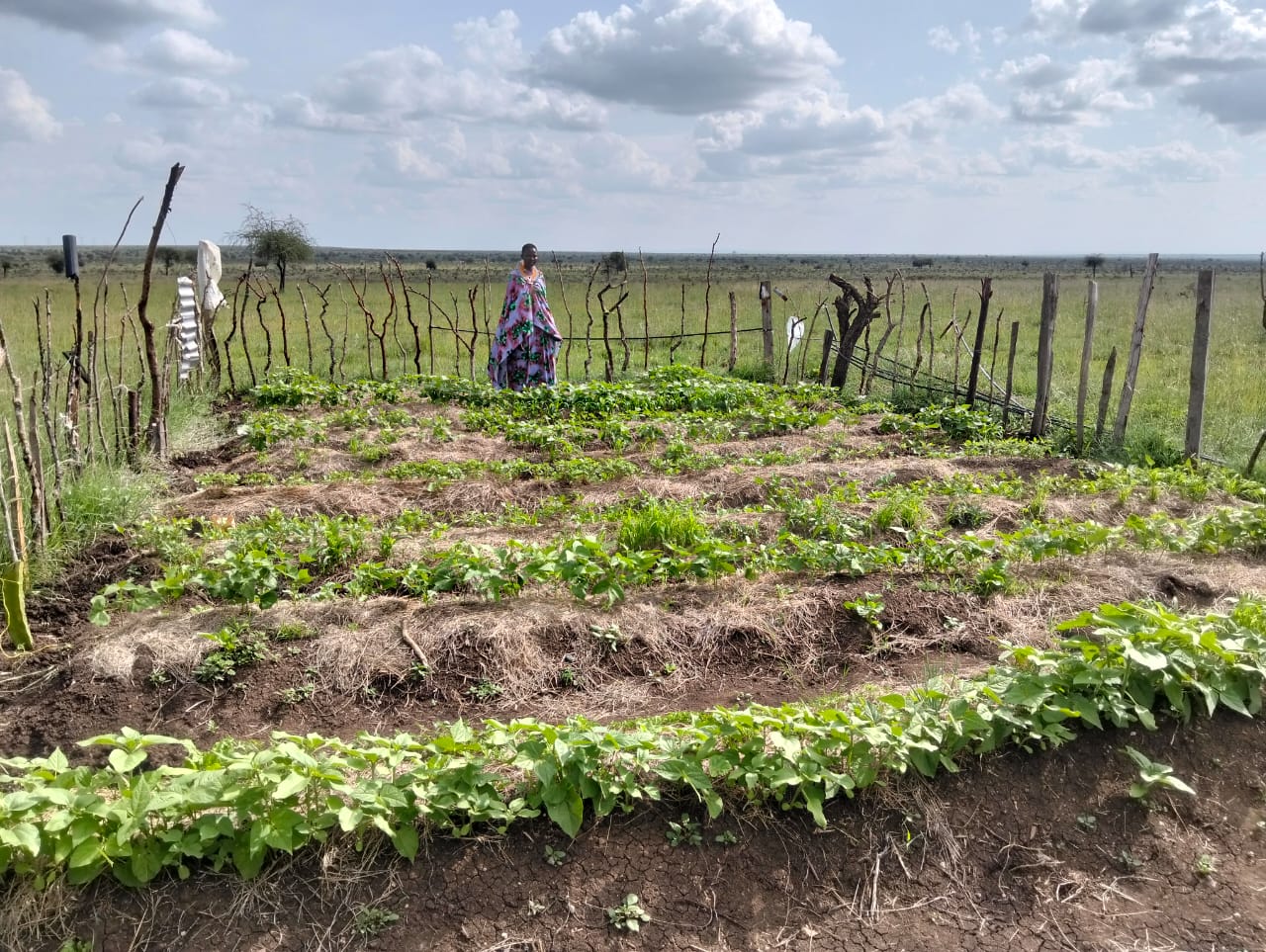
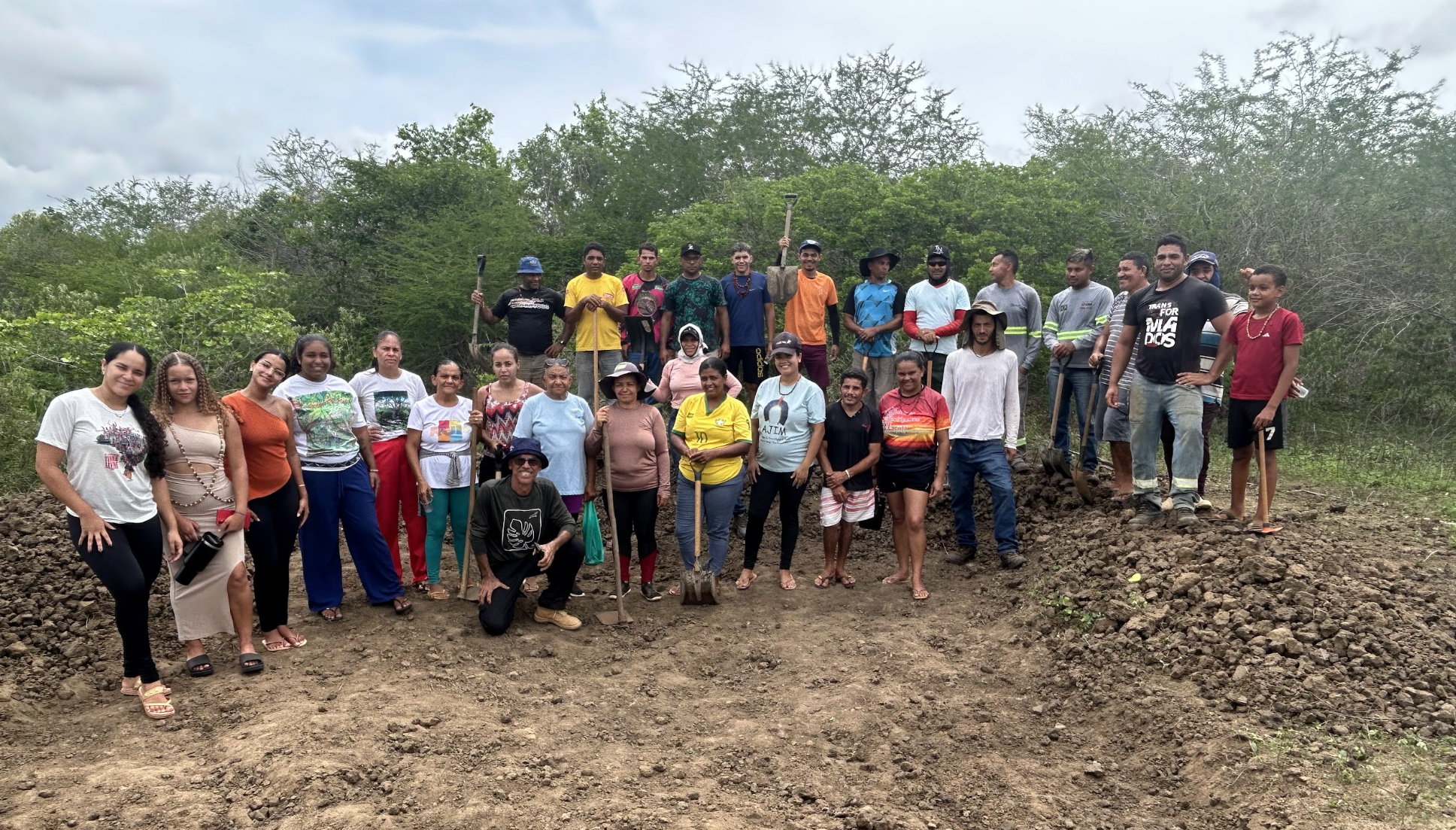
The TreeSisters team provided several inspiring examples of how these principles are being applied in practice, such as through the Alpha Women Empowerment Initiative in Uganda. This grassroots women-led organisation is working to restore degraded landscapes in the Rwenzori Mountains while also empowering women through training in agroforestry, kitchen gardening, micro-enterprise development, and leadership skills. The organisation has achieved remarkable success, with a 97% survival rate for its tree planting projects, demonstrating the effectiveness of holistic, community-centred approaches.
Practical Reflections for Philanthropy
The webinar left attendees with a wealth of reflections on how philanthropy can evolve to meet the challenges of our time. Some of the key takeaways include:
- Listening as a First Step: Funders must prioritize listening to the voices of those closest to the issues, particularly Indigenous and local communities. Their lived experience and knowledge are essential for crafting sustainable solutions.
- Redefining Success: Impact should be measured not only in outputs but in the long-term empowerment of communities and the health of ecosystems.
- Long-Term Commitments: Building trust takes time. Funders should move beyond short funding cycles and invest in ongoing relationships with communities.
- Ceding Power: Ethical partnerships require funders to relinquish control and embrace shared decision-making. This demands humility and a willingness to learn.
- Centering Ethics: Philanthropy must root its practices in principles of reciprocity, respect, and care for all life, challenging the extractive models of the past.
TreeSisters have also developed a Practices Guide to support communities, organisations and funders in applying the framework.
Conclusion
The Rooted in Ethics framework, along with the insights shared during the webinar, paints a transformative vision for philanthropy. By centering ancestral wisdom, embracing reciprocity, and fostering long-term, equitable relationships, funders can play a pivotal role in creating a more just and sustainable world.
This is a call to move beyond the transactional and toward the relational, where the health of communities, ecosystems, and relationships is prioritized. In doing so, philanthropy can help cultivate a future where people and nature thrive in harmony.
If these principles of funding in a more trust-based, decolonial, and holistic way resonate with you, we invite you to join our growing community of practice. Together, we are fostering a collective space for learning, collaboration, and transformation in philanthropy.
By participating in future webinars, gatherings, and working groups, you can engage with like-minded practitioners, share insights, and contribute to building partnerships rooted in reciprocity and shared responsibility. Let us work together to reimagine philanthropy as a force for equity, empowerment, and ecological stewardship.
Your voice and commitment are vital to this journey, come be part of the change!